Preparing for Heavy Rainfall and Thunderstorms Agricultural Advisories Across India.
As weather patterns become more unpredictable, farmers need practical guidance to protect their crops and livestock from heavy rainfall and associated risks like thunderstorms and strong winds. This post draws together key recommendations tailored to different regions, focusing on drainage, harvesting, and support measures. We’ll break it down by state for clarity, followed by general advice for livestock, fisheries, and wind-related impacts.
Agromet Advisories for Uttarakhand Farmers
In Uttarakhand, the focus is on managing excess water in various zones to prevent damage to standing crops. For the Bhabar and Tarai zones, farmers should arrange to remove standing water from fields where rice has been sown or transplanted, as well as from sugarcane, maize, black gram, green gram, groundnut, pigeon pea, finger millet, soybean, and vegetables. In the Sub Humid Sub Tropic zone, similar steps apply to barnyard millet, finger millet, green gram, and black gram. In the Hill zone, reinforcing field bunds helps control surface runoff. It’s wise to delay sowing vegetable pea until the soil dries out enough, ensure good drainage in all crop and vegetable fields, and harvest mature capsicum fruits promptly. If the soil remains too wet, hold off on planting vegetable pea altogether.
Agromet Advisories for Himachal Pradesh Farmers
Himachal Pradesh’s advisories emphasize drainage and protection in different climatic zones. In the Mid Hills Sub Humid zone, setting up effective drainage channels in maize, ginger, turmeric, and vegetable fields is essential. The same applies to rice, maize, and vegetables in the Sub Montane and Low Hills Sub Tropical zone. In the High Hills Sub Temperate Wet zone, harvesting ripe tomatoes should be a priority, and covering cauliflower nurseries with plastic sheets can shield them from intense rain.
Agromet Advisories for Uttar Pradesh Farmers
Uttar Pradesh covers a wide range of zones, each with specific crops at risk from waterlogging. In the Central Plain zone, draining excess water from rice, maize, groundnut, sesame, black gram, green gram, and vegetable fields is crucial. For the Bundelkhand zone, this includes paddy, pigeon pea, rapeseed, plantations, and vegetables. In the Western Plain zone, focus on maize, pulses like black gram and green gram, and oilseeds such as sesame and groundnut. The South Western Semi Arid zone requires attention to all pulses, vegetables, and other crops. Finally, in the North Eastern Plain zone, manage drainage for paddy, maize, pigeon pea, black gram, and millets.
Agromet Advisories for Bihar Farmers
In Bihar, preventing water stagnation in alluvial zones is key for crop health. Farmers in the North West Alluvial Plain zone should prepare to drain surplus water from maize fields and nurseries for onion, chilli, and cauliflower. In the North East Alluvial zone, this extends to maize, finger millet, ragi, kodo, sava, china, and similar crops.
Agromet Advisories for Sub-Himalayan West Bengal Farmers
For Sub-Himalayan West Bengal, drainage measures protect diverse fields across zones. In the Hill zone, removing excess water from rice, ginger, vegetable fields, and fruit orchards is recommended. The Terai zone calls for similar actions in aman paddy and vegetable fields. Additionally, using plastic covers for chilli seedlings in the Terai zone helps safeguard them during downpours.
Agromet Advisories for Arunachal Pradesh Farmers
Arunachal Pradesh’s terrain demands strong drainage systems to avoid waterlogging in multiple crops. Ensure effective water removal from rice, maize, finger millet, soybean, vegetables, and fruit orchards. Providing sturdy supports to fruit-bearing plants can prevent them from toppling or breaking under heavy rain.
Agromet Advisories for Assam Farmers
In Assam, targeted drainage in valley zones helps maintain crop integrity. In the Lower Brahmaputra Valley zone, this involves Sali rice, green gram, pigeon pea fields, and banana orchards. The North Bank Plain zone focuses on Sali rice and sugarcane, while the Upper Brahmaputra Valley zone prioritizes Sali rice fields.
Agromet Advisories for Tamil Nadu Farmers
Tamil Nadu’s advisories address water management in specific crops and soils. Draining sorghum fields is important, particularly in heavy soils or low areas prone to waterlogging. Around coconut plants, proper drainage prevents root rot issues.
Livestock and Fishery Management
Beyond crops, protecting animals and fish stocks is vital during heavy rain. Keep livestock indoors in sheds and supply them with balanced feed to maintain their health. Store feed and fodder securely to avoid moisture damage. For fisheries, build outlets with netting around ponds to release overflow water while keeping fish from escaping.
Handling Thunderstorms, Gusty Winds, and Squally Winds
Thunderstorms and strong winds pose additional threats, often requiring physical supports for plants. Offer mechanical staking to horticultural crops, vegetables, and young or fruit-bearing trees to reduce the risk of them falling over. These steps, informed by impact-based forecasts and local agricultural units, can make a big difference in minimizing losses.
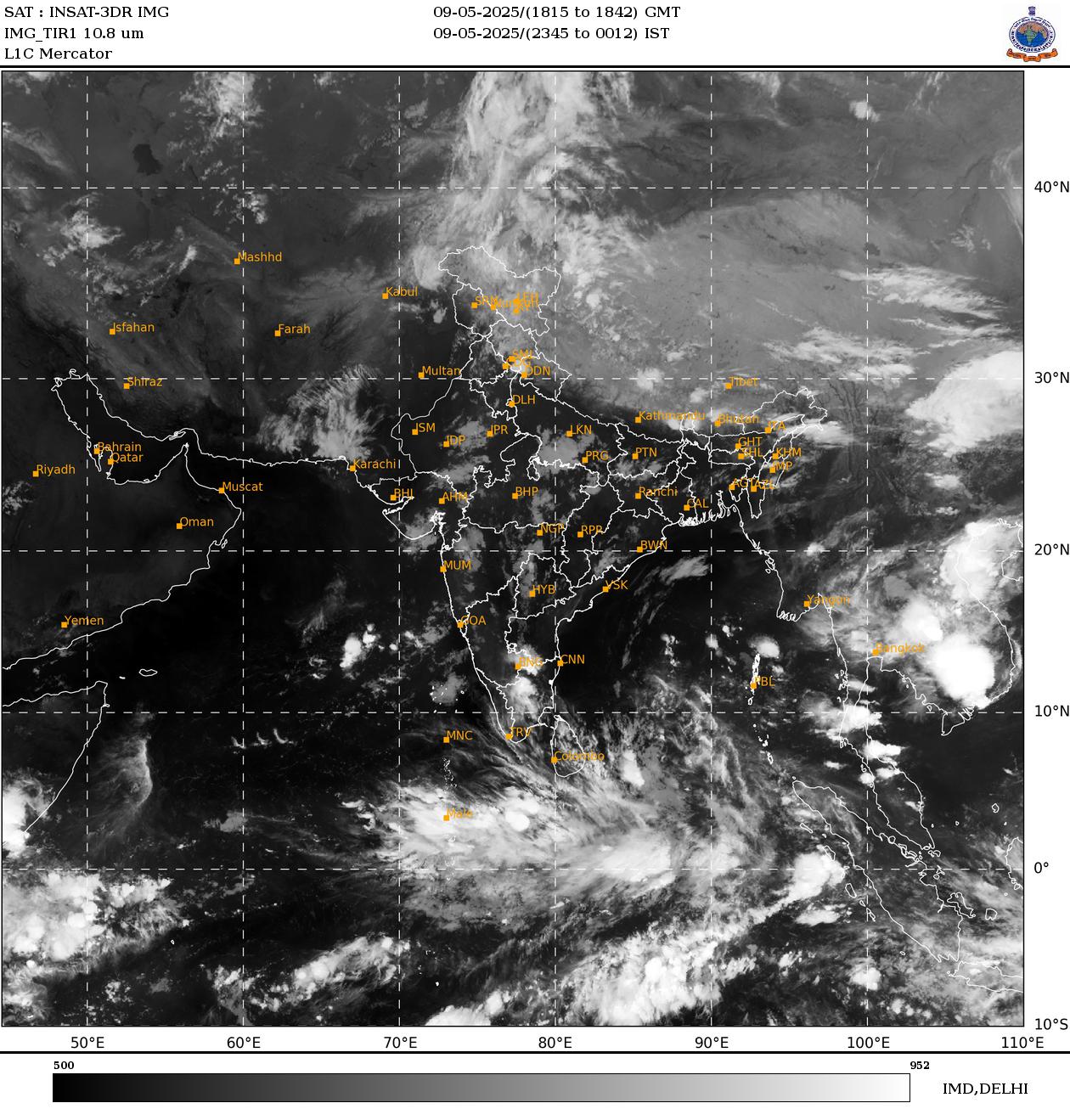
Current Weather Situation.